Salesforce & CRM
Salesforce & CRM

Salesforce implementation, built around how you sell

We take Salesforce from statement of work to go-live: requirements, design, build, data migration and training. You end up with one system your teams use, not another spreadsheet beside it.

At a glance
Scoped and priced in
Statement of work
Clouds
Sales, Service, Experience Cloud
Salesforce certifications
50+

What an implementation has to fix

These are the problems a Salesforce implementation should solve first, and the ones we plan the project around.

  1. Customers spread across inboxes

    Leads, orders and conversations sit in email, Excel and old systems, with no single record of anyone.

  2. A different process in every team

    Each business unit sells its own way on its own system, so nobody can see or cross-sell across the group.

  3. Reports built by hand

    Management reporting is assembled manually, and it's out of date before anyone reads it.

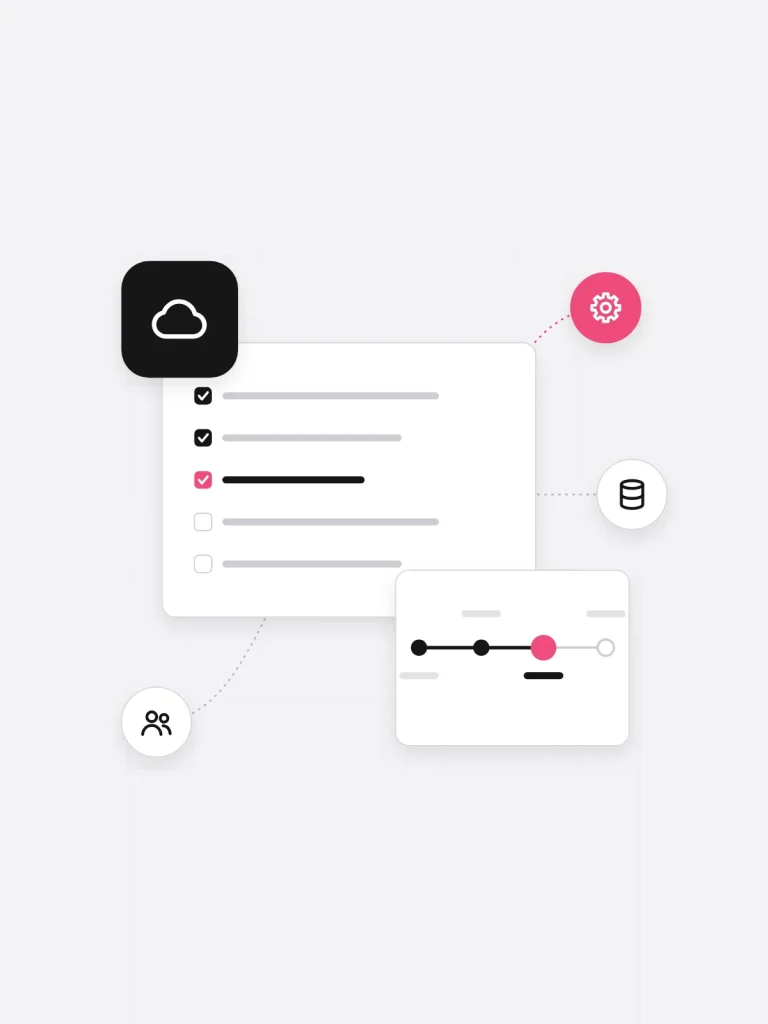
Salesforce implementation checklist with steps ticked off, a project timeline, and configuration, training and data migration icons

What's included

Scoped per project in the statement of work.

  1. Scoping & statement of work

    Solution, timeline, team and cost agreed with stakeholders across the business before work starts.

  2. Requirements mapping

    An interactive workshop with management and users, written up as a detailed requirements document.

  3. Configuration Blue Print

    Every field, rule and integration specified in one design document you review and sign off.

  4. Sales process build

    Lead-to-opportunity stages, record types, quoting and validation rules shaped to how each team works.

  5. Data migration & integration

    A clean move from legacy systems, plus links to email, ordering and finance tools where you need them.

  6. Training & support

    Full team training before go-live, then technical support from the people who built it.

Method

How an implementation runs

Our seven-step delivery process, grouped into five stages.

  1. Scope

    Key stakeholders refine the scope into a statement of work covering solution, timeline, team and cost.

  2. Map requirements

    An interactive workshop with management and stakeholders produces a detailed requirements document.

  3. Design

    Field-level and technical detail captured in a Configuration Blue Print, ready for your sign-off.

  4. Prototype & test

    Show-and-tells during the build, then an end-to-end demo for your testing and sign-off.

  5. Launch & next phase

    Full team training, go-live with our team on standby, then a plan for the next phase.

Technical scope

For the people who'll sign the scope off. Everything here is confirmed in the statement of work before the build starts.

Clouds
Sales Cloud, Service Cloud, Experience Cloud, Field Service, CPQ
Objects
Lead, Account, Contact, Opportunity, Quote, Order, custom objects
Integrations
Outlook, WooCommerce, Campaign Monitor, SagePay, ERP and ordering systems
Migration
Legacy CRM and spreadsheet data into Salesforce
Deliverables
Statement of work, requirements document, Configuration Blue Print, training

The project was managed in great detail and we knew exactly what we needed to input into the process at each point… all of the work that Seamless Ideas did upfront has ensured smooth implementation and user-engagement.

Amit Oza, CFO Push Energy

Questions

No. Plenty of implementations start from inboxes and spreadsheets. The requirements workshop is where we map how you work today.

Yes. CRM migration is one of our core Salesforce services, and it's planned field by field in the design stage, before cutover.

Scope, timeline, team and cost are set out in a statement of work before the build begins, so you know what you're signing up to.

Yes. Larger projects can be broken into releases, so each one delivers value within your team's capacity and budget.

Yes. We critically review the system you have, then give you a detailed migration plan with cost and timeline estimates.

Our team stays on standby for user and technical support, and we keep in touch to plan the next phase. Managed support is there if you want it retained.

Not just as instructed

Book a free consultation

Tell us the outcome you need, and talk it through with one of our certified Salesforce consultants.